

Introduction
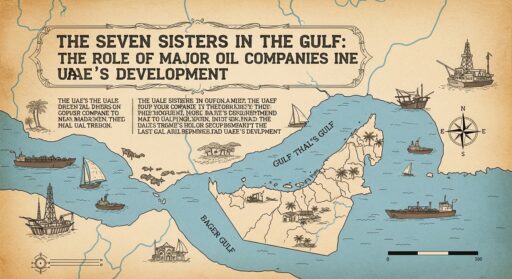
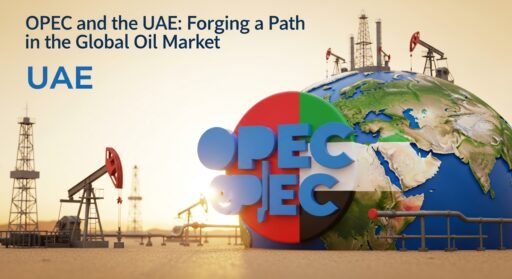
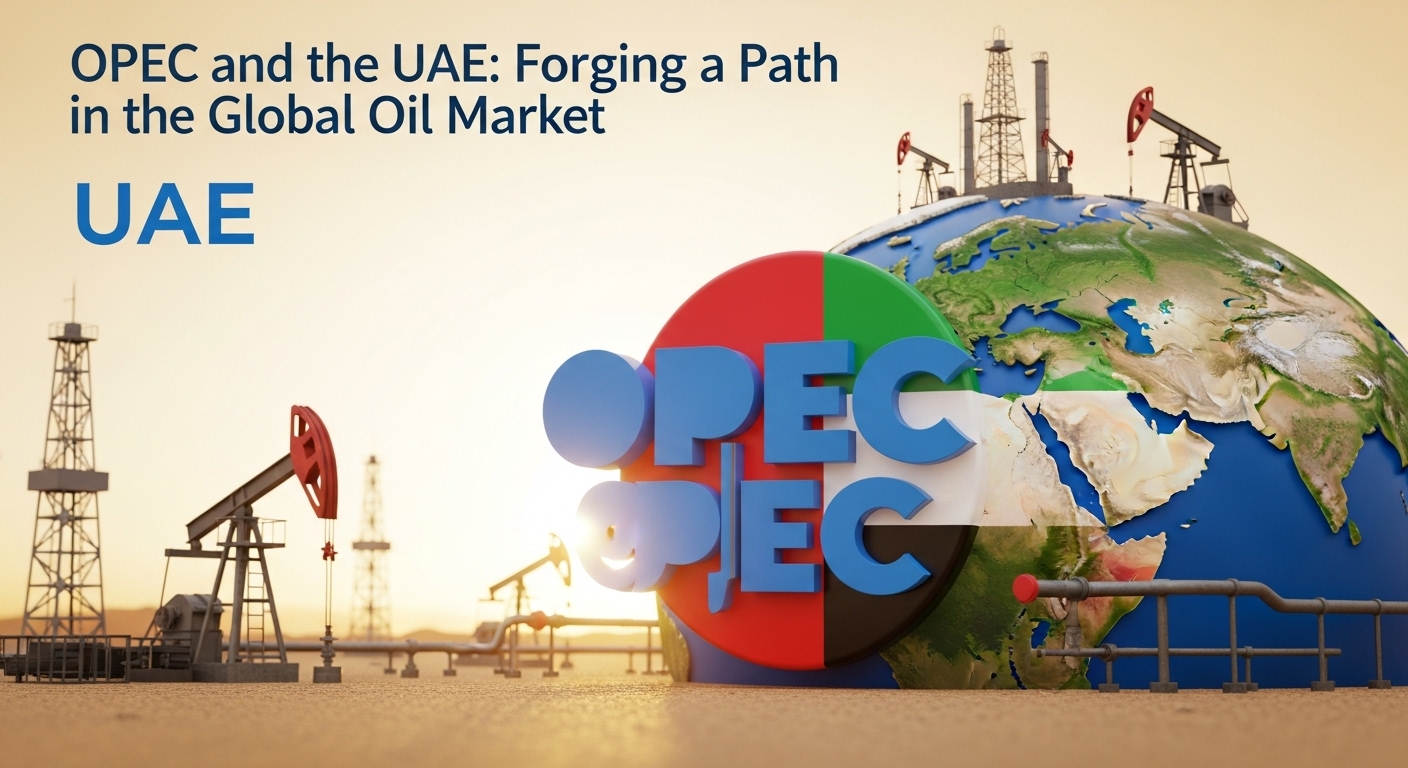
On the global stage, few organizations have symbolized the shifting tectonics of economic power in the 20th century like the Organization of the Petroleum Exporting Countries (OPEC). Founded as a collective voice for oil-producing nations, OPEC gave resource-rich countries a mechanism to counter the dominance of the “Seven Sisters” and influence the market that governed their destinies. For the newly formed United Arab Emirates, joining OPEC in 1974 was one of its first and most significant acts of foreign and economic policy. This decision marked the UAE’s arrival as a serious player in global affairs and set the course for its strategic management of its most vital natural resource for decades to come.
History
OPEC was established in 1960 by Iran, Iraq, Kuwait, Saudi Arabia, and Venezuela. Its founding mission was to coordinate and unify petroleum policies to secure fair and stable prices for producers. In its early years, the UAE’s future emirates, still under British protection and with oil production in its infancy, were not members. However, the landmark events of the early 1970s—including the oil embargo and the subsequent price shocks—demonstrated the immense power of producer solidarity. The UAE, having achieved independence in 1971 and with its oil output rapidly increasing, recognized the strategic imperative of joining this bloc. Under the leadership of Sheikh Zayed, the UAE became the 11th member of OPEC in 1974, a move that aligned it with its Gulf neighbors and cemented its role in the international energy landscape.
Key Features
The UAE’s membership in OPEC is defined by several key characteristics:
- Production Quotas: As a member, the UAE agrees to production ceilings set by the organization to manage global supply and support oil prices. Negotiating and adhering to these quotas is a central and often complex aspect of its membership, requiring a balance between national revenue needs and collective cartel discipline.
- Consensus-Driven Diplomacy: OPEC operates on consensus, and the UAE has established itself as a respected, pragmatic, and often moderate voice within the group. It has historically worked closely with its key ally, Saudi Arabia, while also pursuing its own national economic interests.
- Strategic Spare Capacity: The UAE, and particularly ADNOC, has invested heavily in maintaining significant spare production capacity. This allows it to respond to global supply disruptions, making it a crucial “swing producer” that enhances market stability—a key OPEC goal.
- Long-Term Strategy: The UAE uses its OPEC platform not just for short-term price management but to advocate for long-term market stability, which is essential for its own long-range economic planning and investment in both hydrocarbon and non-hydrocarbon sectors.
Cultural Significance
OPEC membership was a powerful assertion of national sovereignty and a departure from a past defined by external influences. For centuries, the economies of the Trucial States were subject to the whims of global demand for pearls; later, they were at the mercy of the pricing and production decisions of foreign oil companies. Joining OPEC represented a decisive takeover of the reins. It was an act of collective agency, embodying the Bedouin principle of strength in unity—Al Ittihad—but on a global scale. It signaled to the world that the UAE was no longer a passive observer but an active, calculated manager of its own resources and future.
Modern Relevance
In the 21st century, the UAE’s role in OPEC has become even more critical. As one of the cartel’s few members with the financial capacity and political will to significantly increase production, its voice carries substantial weight. The formation of OPEC+ in 2016, which allies OPEC with other major producers like Russia, has further elevated the UAE’s strategic importance, positioning it as a key bridge between traditional OPEC members and external allies. Furthermore, the global energy transition poses an existential challenge to OPEC. The UAE’s forward-thinking investments in renewable energy (like Masdar City and massive solar farms) and its advocacy for a realistic and inclusive energy transition within OPEC allow it to shape the conversation about the future of oil in a decarbonizing world.
Conclusion
The UAE’s nearly five-decade membership in OPEC is a masterclass in strategic resource nationalism. It has not merely been a follower within the organization but has grown into one of its most influential and indispensable core members. By leveraging its OPEC membership, the UAE has secured stable revenues for its development, amplified its geopolitical voice, and demonstrated a sophisticated understanding of global market dynamics. As the world grapples with the complex journey towards sustainable energy, the UAE’s pragmatic and stable presence within OPEC will be crucial in navigating the turbulent and uncertain future of global energy markets.