

Introduction
The discovery and export of oil unleashed a torrent of wealth upon the arid landscapes of the Trucial States, a phenomenon economists often call a “resource blessing.” However, history is littered with examples of such blessings turning into “resource curses,” leading to economic distortion, inequality, and instability. The story of the UAE is a stark exception. Under the visionary leadership of its founders, the UAE executed one of the most successful state-building projects of the 20th century, strategically channeling oil revenues to construct a modern, diversified, and prosperous nation from the ground up. This article explores the economic alchemy that transformed petrodollars into infrastructure, human capital, and global stature.
History
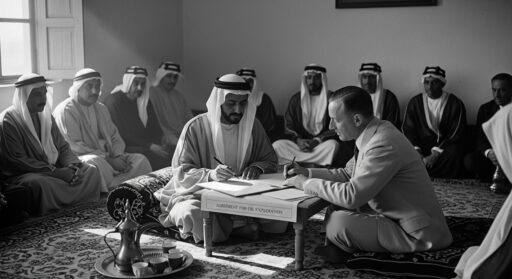
The initial trickle of oil revenues in the early 1960s provided a glimpse of the potential that lay beneath the sands. However, it was after the union in 1971 and the concurrent surge in oil prices in 1973 that the floodgates truly opened. Sheikh Zayed bin Sultan Al Nahyan, the UAE’s first President, famously articulated the philosophy that would guide this spending: “Money is of no value unless it is used for the benefit of the people.” Prior to the union, individual rulers had begun small-scale projects—a school here, a clinic there. But post-1971, a coordinated, federal vision took hold. The government, primarily funded by Abu Dhabi’s oil wealth, embarked on a massive, nationwide investment program with the explicit goal of catapulting the quality of life from the 18th to the 21st century in a single generation.
Key Features
The deployment of oil wealth followed a multi-pronged strategy:
- Foundational Infrastructure: The first and most critical allocation was for hard infrastructure. This included building a national network of modern highways, world-class seaports (like Port Rashid and Port Zayed), international airports, and reliable power grids and water desalination plants. This created the physical skeleton upon which a modern economy could function.
- Social Welfare and Human Development: The government established a comprehensive social contract, providing citizens with free, high-quality healthcare and education, from primary school to university, often with scholarships for study abroad. Heavily subsidized housing, electricity, and water were also provided, ensuring a high standard of living.
- Sovereign Wealth Funds: Recognizing that oil is a finite resource, the UAE, led by Abu Dhabi, pioneered the creation of sophisticated Sovereign Wealth Funds (SWFs) like the Abu Dhabi Investment Authority (ADIA). These funds were tasked with investing surplus oil revenues abroad in a diversified portfolio of assets, transforming non-renewable underground wealth into a perpetual source of financial income for future generations.
- Economic Diversification: From the outset, there was a clear understanding that oil alone was not a sustainable future. Revenues were strategically used to seed non-oil sectors, such as tourism, aviation, real estate, and finance, laying the groundwork for the knowledge-based economy of the 21st century.
Cultural Significance
The rapid infusion of wealth had a profound socio-cultural impact. It effectively ended centuries of economic hardship and uncertainty, replacing a subsistence lifestyle with one of unprecedented material security. This created a deep-seated social contract between the ruling families and the citizenry, built on the provision of prosperity in exchange for political stability. The transformation also required a massive psychological shift, as a society rooted in nomadic and maritime traditions had to rapidly adapt to urban living, formal education, and new professional roles within a globalized economy.
Modern Relevance
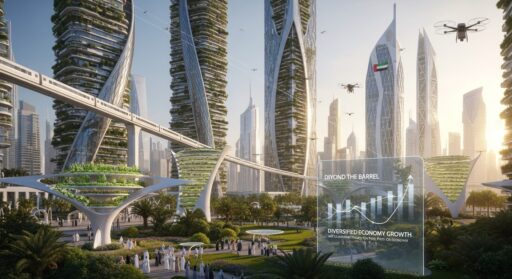
The “economics of abundance” model is now evolving into the “economics of sustainability and innovation.” The infrastructure and human capital built by oil revenues are the very foundations upon which the UAE’s post-oil strategy is being constructed. The airports and ports built with petrodollars are now hubs for global trade and tourism. The generations educated for free in the 70s and 80s are now the leaders, engineers, and entrepreneurs driving the diversification agenda. The SWFs, swollen with oil revenues, are now major investors in global technology, renewable energy, and other future-facing sectors. The oil wealth was not an end in itself, but the seed capital for a much larger and more enduring national project.
Conclusion
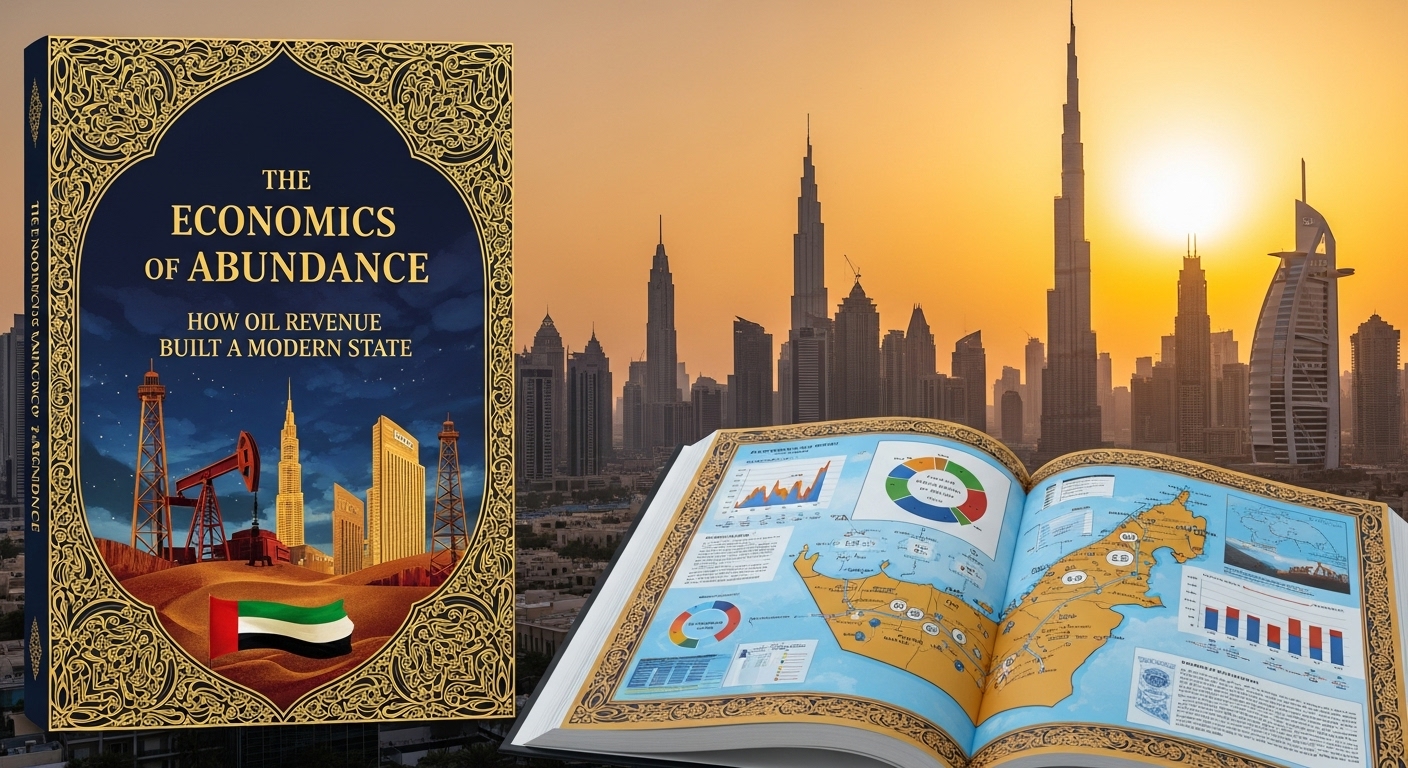
The UAE’s masterful management of its oil revenues stands as a testament to visionary leadership and strategic foresight. It avoided the pitfalls of the resource curse by investing not in fleeting consumption, but in the long-term pillars of a modern state: infrastructure, education, and a diversified economic base. The skylines of Dubai and Abu Dhabi are literal monuments to this successful economic transformation. While the source of the initial capital was geological fortune, the true wealth of the nation lies in the resilient economy and society that was consciously built with it—a legacy that will endure long after the last barrel of oil is pumped.